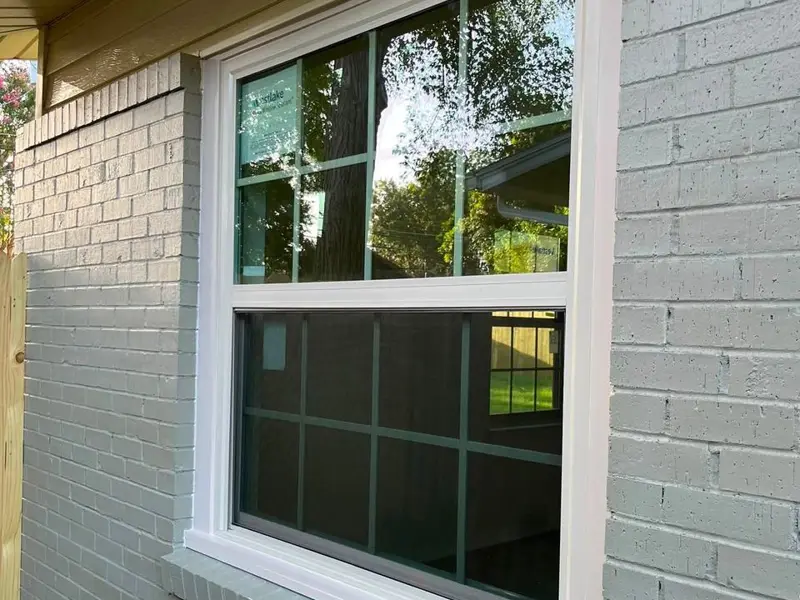
Single-hung
The bottom sash slides up; the top stays fixed.
Good for: Budget-friendly replacements (the most common window in DFW homes)
Single-hung, casement, picture, bay, and more: how each one opens and where it works best.
A window's type is how it opens. Most types come in any material; see the materials guide to compare those.
The bottom sash slides up; the top stays fixed.
Good for: Budget-friendly replacements (the most common window in DFW homes)
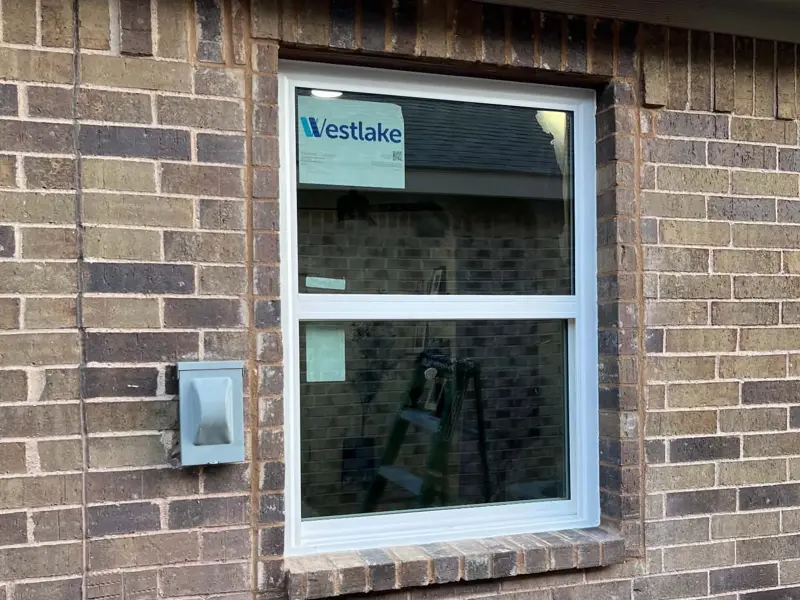
Both sashes slide up and down, and tilt in for cleaning.
Good for: Two-story homes, where cleaning from inside matters
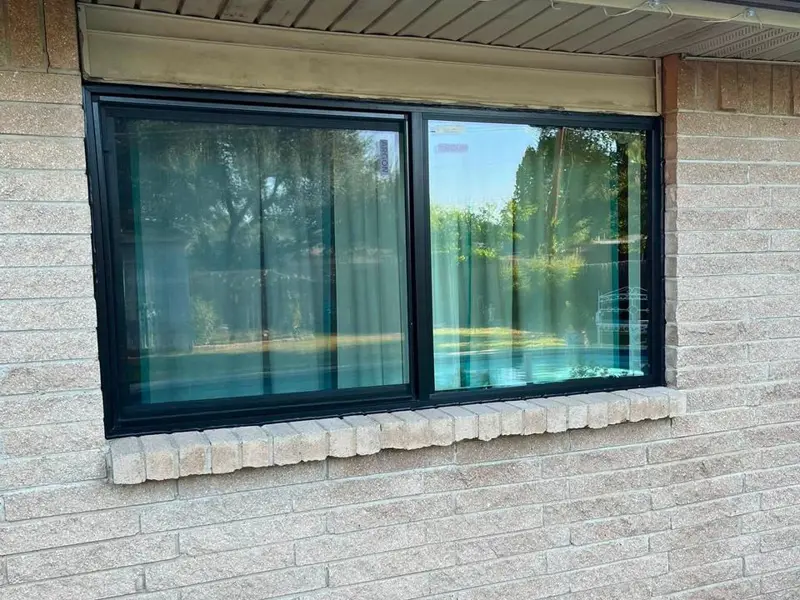
One sash glides sideways past the other.
Good for: Wide openings, bedrooms, and over kitchen counters
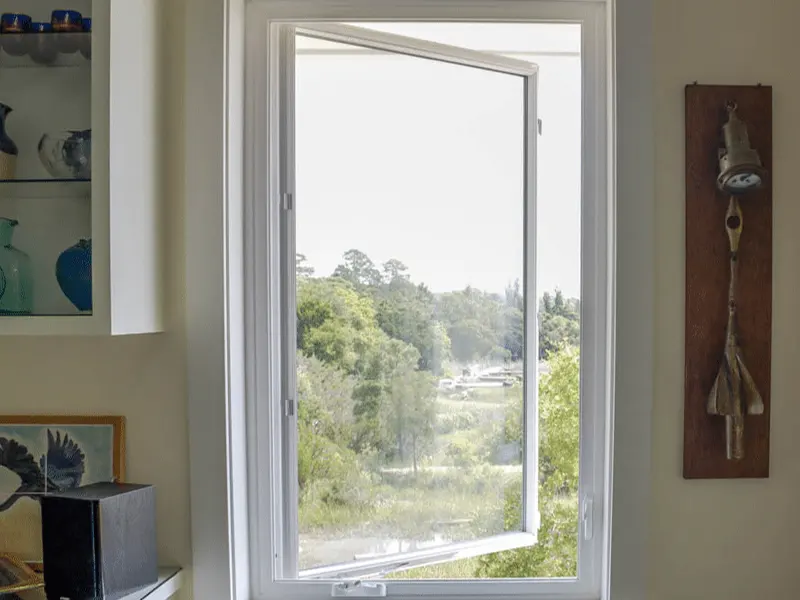
Hinged on the side and cranks outward.
Good for: Catching a breeze, hard-to-reach spots like over a sink
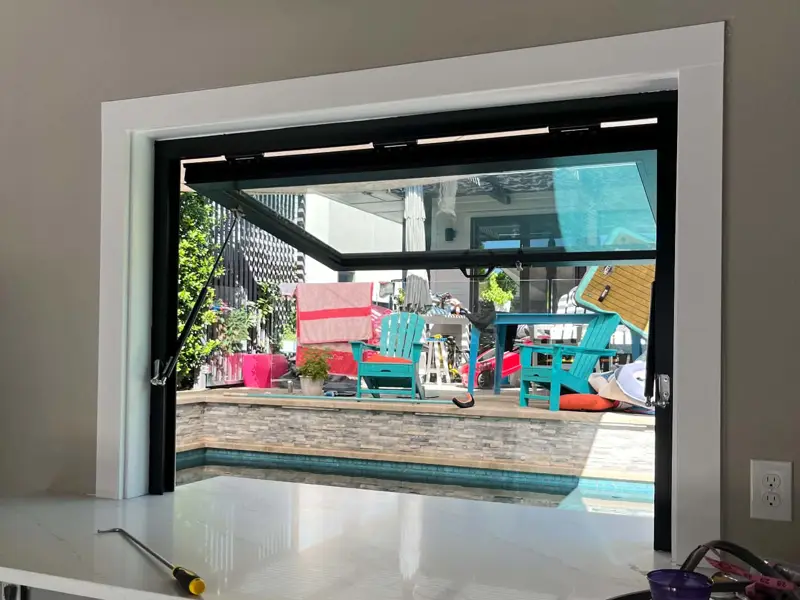
Hinged at the top and opens outward from the bottom.
Good for: Airflow during light rain, often above or below a picture window
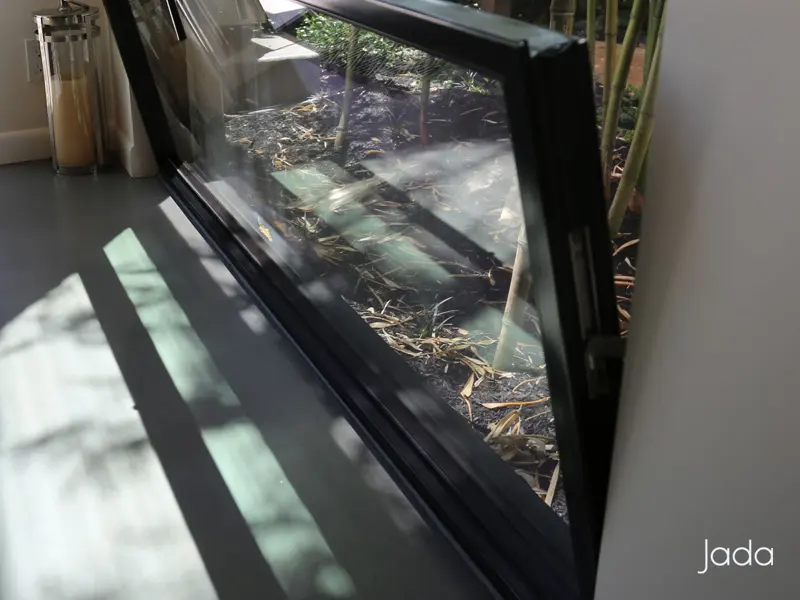
Hinged at the bottom and tilts inward from the top.
Good for: Bathrooms and basements
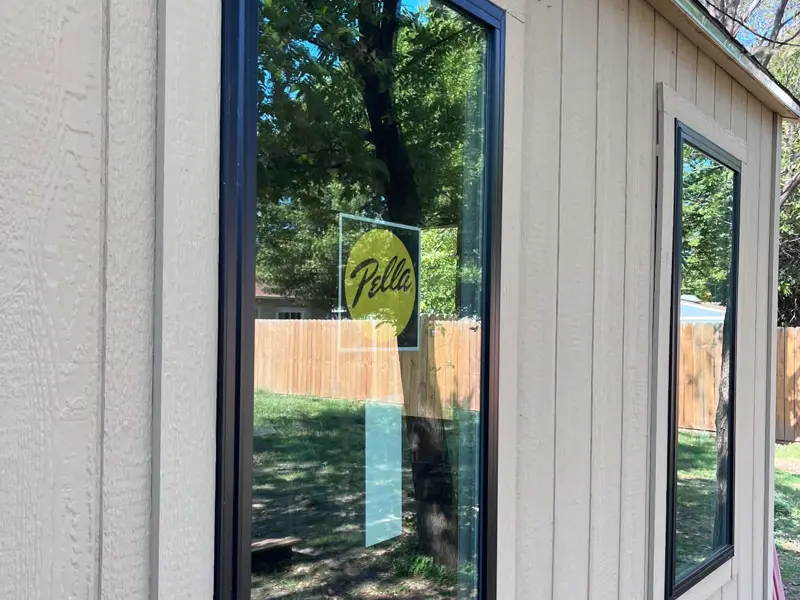
A fixed window that does not open.
Good for: Big views and the most light; also the most energy efficient
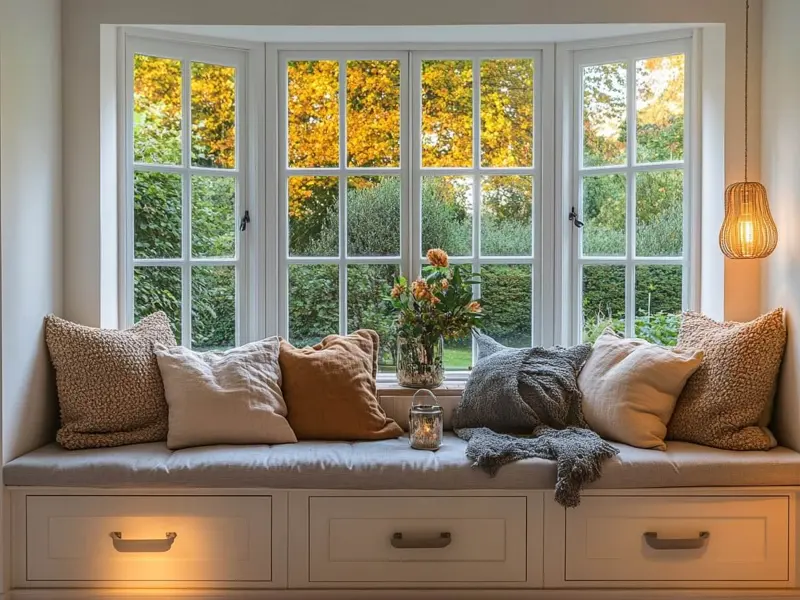
Three or more windows that project out from the wall. Bays are angled; bows curve.
Good for: Adding light and a little floor space, like a window seat
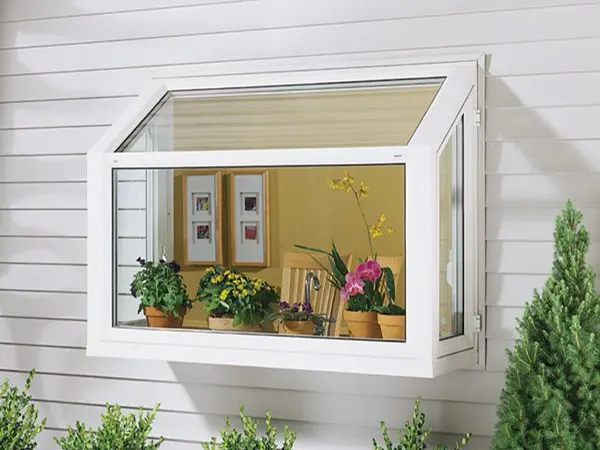
A small box window that sticks out, with a glass top and a shelf.
Good for: Kitchens and growing herbs or plants
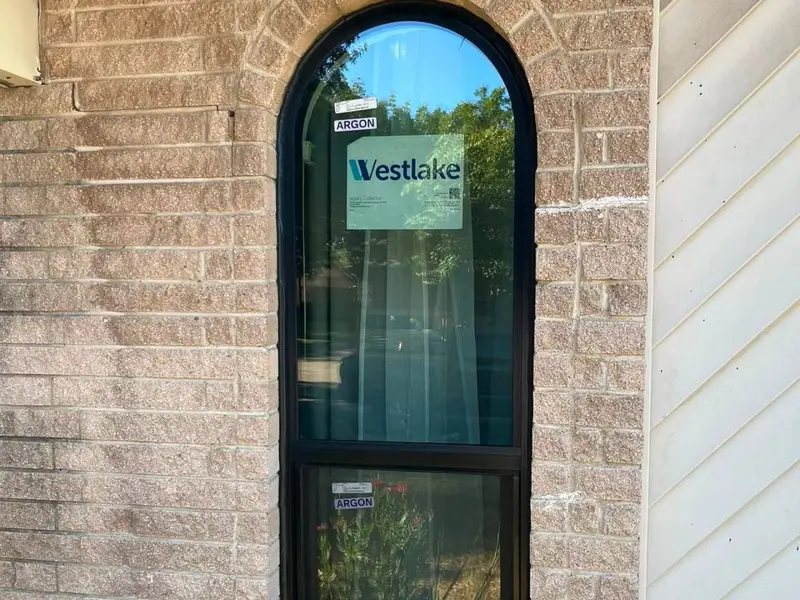
Arches, circles, triangles, and other custom shapes, usually fixed.
Good for: Accents above doors and other windows
We will walk you through the options at your free, no-obligation estimate.